Looking for a Minneapolis neighborhood with timeless homes, riverfront trails, and an easy commute? Longfellow offers a calm, residential feel with everyday amenities close by. If you want character, local cafes, and reliable transit to downtown or the airport, this guide is for you. You’ll learn about home styles, parks and trails, daily conveniences, and what to know before you buy or sell in Longfellow. Let’s dive in.
Where Longfellow fits in Minneapolis
Longfellow sits on the city’s east side along the Mississippi River corridor. The neighborhood’s identity is shaped by its riverfront parkland, mature trees, and steady grid of residential streets. It feels residential first, with pockets of street-level retail on key corridors. You get local convenience and strong regional connections to downtown Minneapolis and the airport.
City planning has also guided how Longfellow evolves. Minneapolis 2040 and more recent zoning updates support gradual infill, accessory dwelling units, and small multi-family options where allowed. For buyers, that means more housing variety over time and interest in transit-oriented locations.
Homes in Longfellow: Styles and features
Typical home types
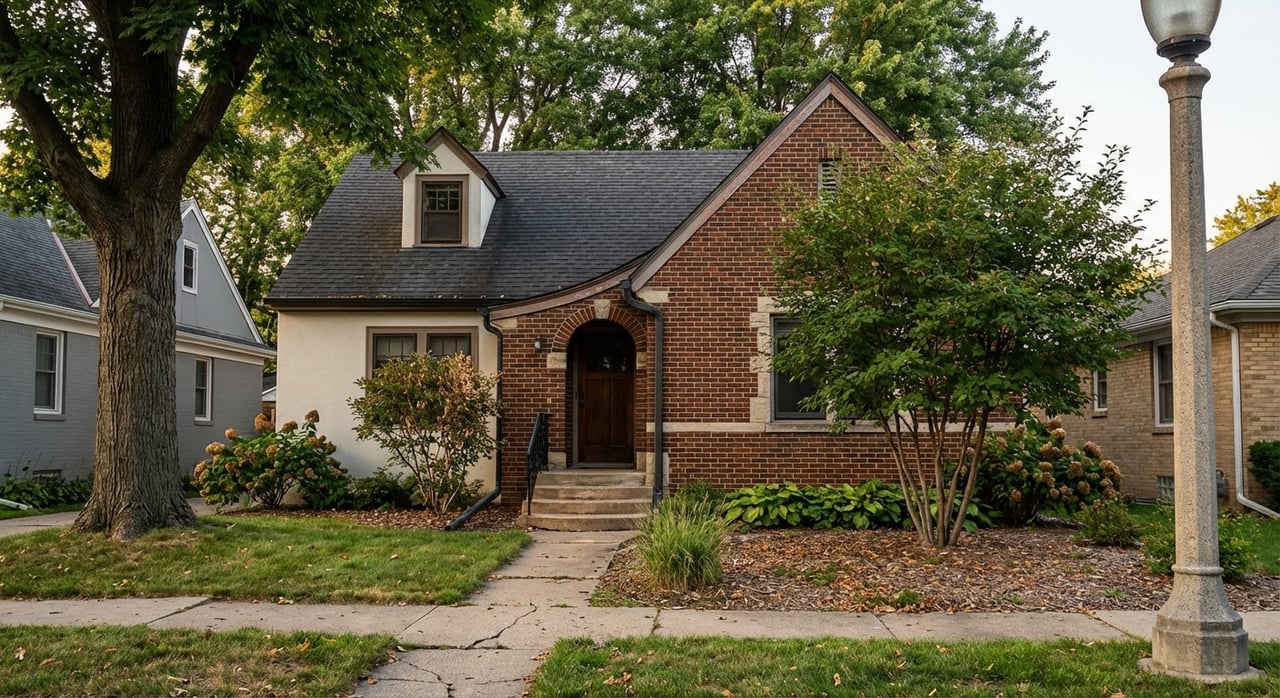
You’ll see many early to mid-20th-century single-family homes, especially bungalows and Craftsman-influenced houses. Duplexes and small, low-rise apartment buildings are part of the mix, often near transit and commercial streets. You’ll also notice pockets of newer infill single-family homes and some rowhouse-style development.
These eras give the neighborhood a cohesive, older-built character. Many properties have been updated over the years, while others are ready for a thoughtful remodel.
Interior details you’ll see
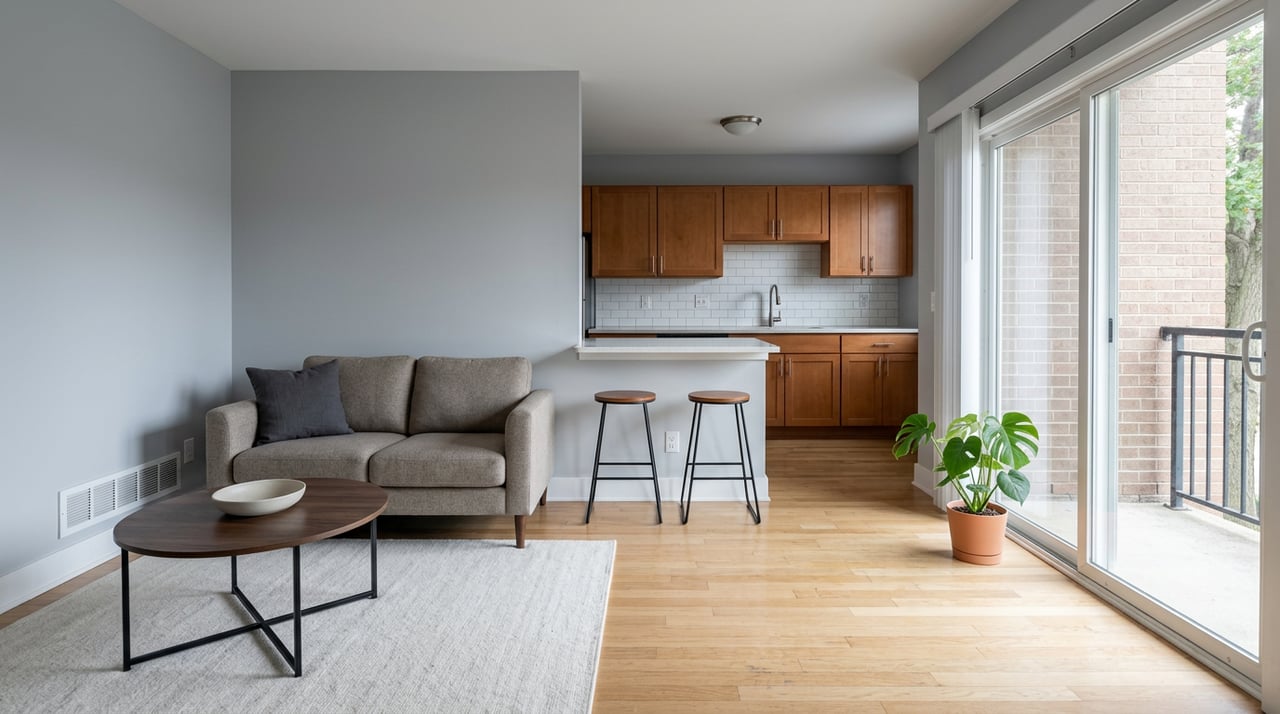
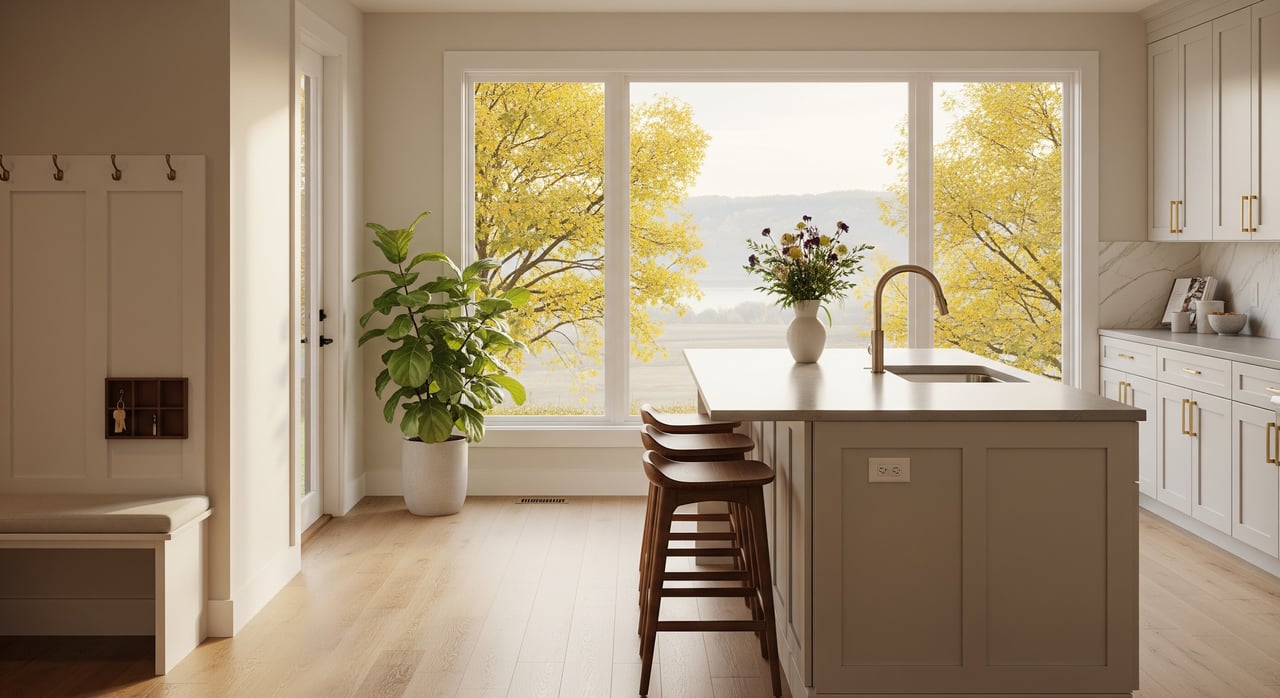
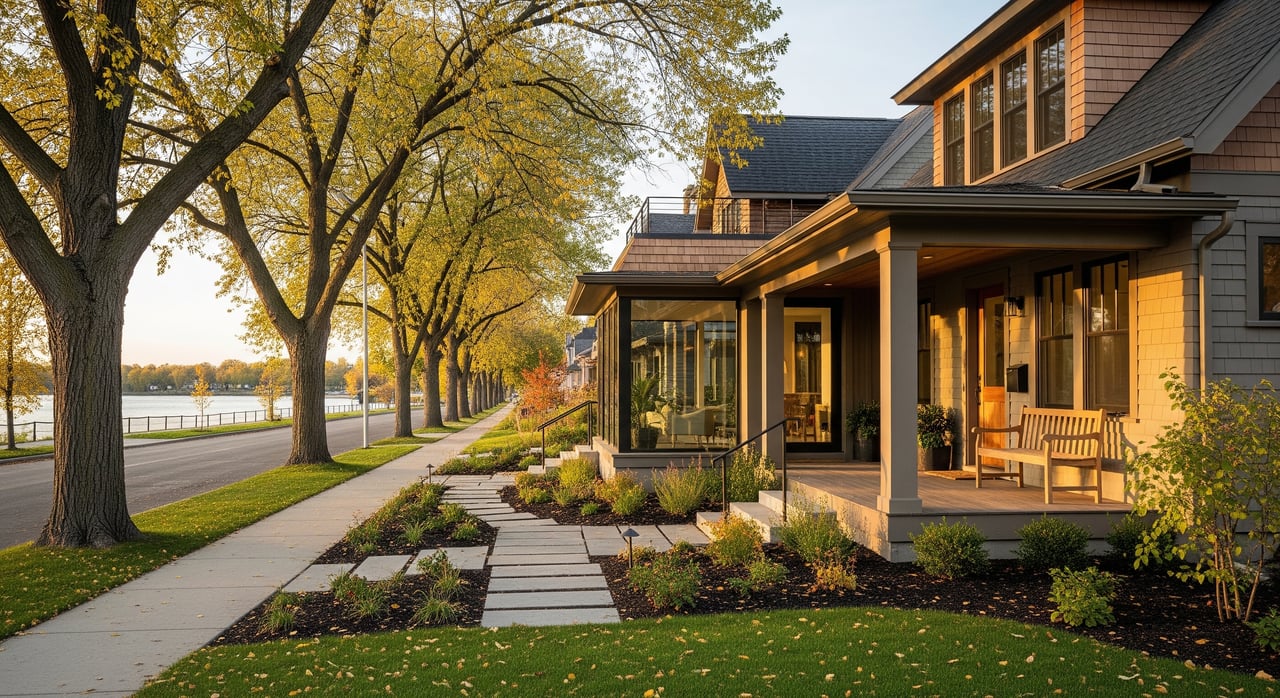
Longfellow homes often feature welcoming front porches and simple Craftsman detailing. Inside, you’ll find hardwood floors, wood trim, and built-in cabinetry in older homes. Kitchens and bathrooms vary widely, from recently updated to ready for renovation. Many buyers plan for improvements that respect original charm while adding comfort.
Lots, garages, and ADU potential
Lots are typically urban in size, which shapes yards and garage placement. Detached or alley-access garages are common. With city policy changes in recent years, some properties may allow ADUs or small multi-family conversions, depending on current rules. If that is part of your plan, verify details with city permitting before you buy.
Lifestyle: Parks, river, and trails
River access and green space
Access to the Mississippi River and adjacent parkland is a major draw. You can walk, run, or birdwatch along scenic corridors that connect to other city parks. On weekends, residents often head to nearby regional parks and greenways, including areas around Minnehaha and the river corridor.
These spaces are not only for weekends. Many people build short daily walks into their routine. The result is an easy connection to nature without leaving the city.
Biking and commuting by trail
Longfellow taps into Minneapolis’s larger trail network. Shared-use paths along the river link to the Grand Rounds and other city routes. In warmer months, many residents bike for errands, recreation, and commuting to jobs in central Minneapolis or nearby neighborhoods.
If your lifestyle includes cycling, you’ll appreciate how quickly you can reach both north–south and east–west bike routes. Trail access also gives families and casual riders safe options for evening rides.
Four seasons and practical tips
Minneapolis’s climate shapes daily life. Winters are long and cold, so snow management and reliable heating matter. Summer, in turn, becomes prime time for patios, picnics, and time along the river. If you’re buying an older home, factor in insulation, window performance, and HVAC condition for year-round comfort.
Local businesses and daily convenience
Neighborhood retail and services
Longfellow’s commercial corridors host independent cafes, casual dining, bakeries, small grocery or specialty food shops, salons, fitness studios, and neighborhood-scale retail. These clusters offer everyday convenience and act as community hubs. You’ll find regulars, friendly service, and a walkable rhythm to daily errands.
The neighborhood’s business mix changes over time, but the focus on local, independent spots remains steady. That helps keep the area’s identity rooted in community.
Bigger shopping within reach
For larger shopping trips, specialty grocers, or big-box options, you’re a short drive or transit ride from bigger retail centers in the metro. Many residents split errands between neighborhood spots and these larger hubs.
Getting around: Transit and driving
Light rail and bus access
The Metro Transit network serves Longfellow with bus routes along key streets and light rail stations on nearby corridors. That makes trips to downtown Minneapolis and the airport straightforward. If you prefer a car-free commute or want a backup to driving, transit access is a strong advantage.
Driving, parking, and biking
Arterial streets connect Longfellow to downtown and regional highways, so car commuting is feasible. Travel times vary by time of day and route. Street parking is common, and many homes have alley garages. If you bike, you’ll find city routes and trails make short trips efficient, especially in spring, summer, and fall.
Buyer guide: How to evaluate a Longfellow home
- Confirm lifestyle fit. If you value walkability, river and trail access, local cafes, and transit, Longfellow likely fits your daily routine.
- Budget for updates. Older homes may need work on kitchens, bathrooms, insulation, windows, HVAC, or basement finishing. Build a project plan into your budget and timeline.
- Review current zoning. If you’re interested in an ADU, a duplex, or small multi-family options, confirm today’s rules and any design requirements before you write an offer.
- Check floodplain factors. If a property is near the river, review federal and local flood maps and insurance requirements for the address.
- Understand historic context. Some parcels may have historic review or design considerations. Verify with city permitting staff if you plan exterior changes.
- Investigate utilities. The age and condition of sewer, water, and stormwater infrastructure can affect renovation costs and timing.
- Plan for winter. Evaluate heating system age and performance, insulation quality, and snow storage or removal options.
Seller playbook: What helps homes stand out
- Prioritize mechanicals and kitchens. Buyers value updated systems and functional kitchens in older homes. If you’ve completed recent upgrades, highlight them in your listing.
- Stage for outdoor living. Emphasize porches, patios, and bike storage to connect your home’s features to Longfellow’s trail and park lifestyle.
- Spotlight location benefits. Note proximity to river trails, parks, transit access, and neighborhood retail in marketing materials.
- Consider a pre-list inspection. For older roofs, boilers, or furnaces, an inspection can reduce surprises and support smoother negotiations.
- Price with precision. Position your home alongside recent comps that reflect condition, updates, and micro-location near transit or amenities.
A day in Longfellow
Start with coffee from a neighborhood cafe. Take a morning jog along the river, then bike to errands on connected city routes. In the evening, meet friends at a casual restaurant or enjoy a quiet porch night under mature trees. The rhythm is calm, active, and connected.
Is Longfellow right for you?
If you want classic homes, tree-lined streets, and easy access to parks, trails, and transit, Longfellow deserves a spot on your list. You’ll find a range of older homes with charm, plus the chance to shape a property through smart updates. With thoughtful planning on renovations, utilities, and possible ADUs, you can make a Longfellow home work beautifully for years.
If you’re weighing a move or want a price check on your current home, reach out. For a friendly, step-by-step plan tailored to your goals, connect with Julie Doolittle.
FAQs
What types of homes are common in Longfellow Minneapolis?
- Expect early to mid-20th-century single-family bungalows and Craftsman-influenced homes, plus duplexes and small apartment buildings, with pockets of newer infill.
How is transit access from Longfellow to downtown and the airport?
- Light rail stations on nearby corridors and multiple bus routes connect you to downtown Minneapolis and the airport. Driving on arterial streets is also straightforward.
Where can I run or bike near Longfellow if I move there?
- You’ll have access to Mississippi River parkland and regional trails that link to the Grand Rounds and other city routes, popular for walking, running, and biking.
Do homes near the river in Longfellow require flood insurance?
- It depends on the exact location. Check federal and local flood maps for the property and confirm any insurance requirements before you buy.
What home updates should I plan for when buying in Longfellow?
- Common projects include kitchens, bathrooms, windows and insulation, HVAC systems, and basement finishing. A thorough inspection will clarify priorities.
Are ADUs or small multi-family options possible in Longfellow?
- City policy changes allow more housing types in some cases. If you want an ADU or a small multi-family setup, verify current rules with city permitting before proceeding.