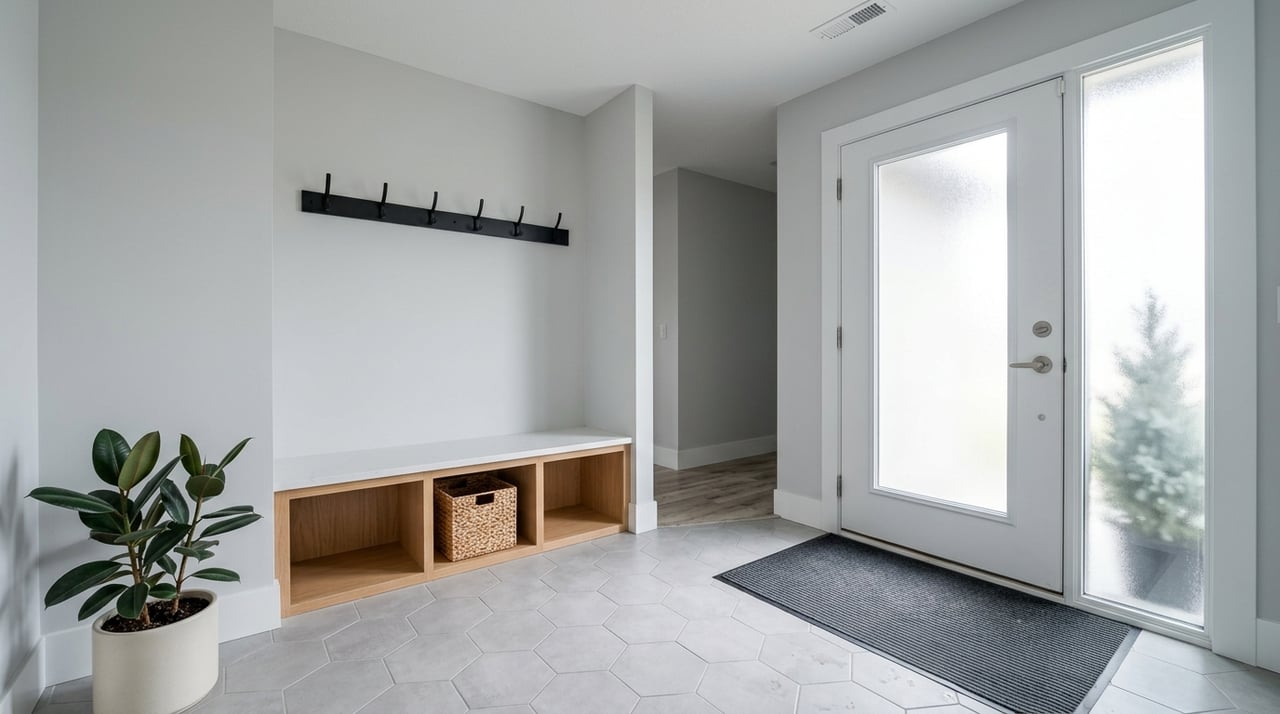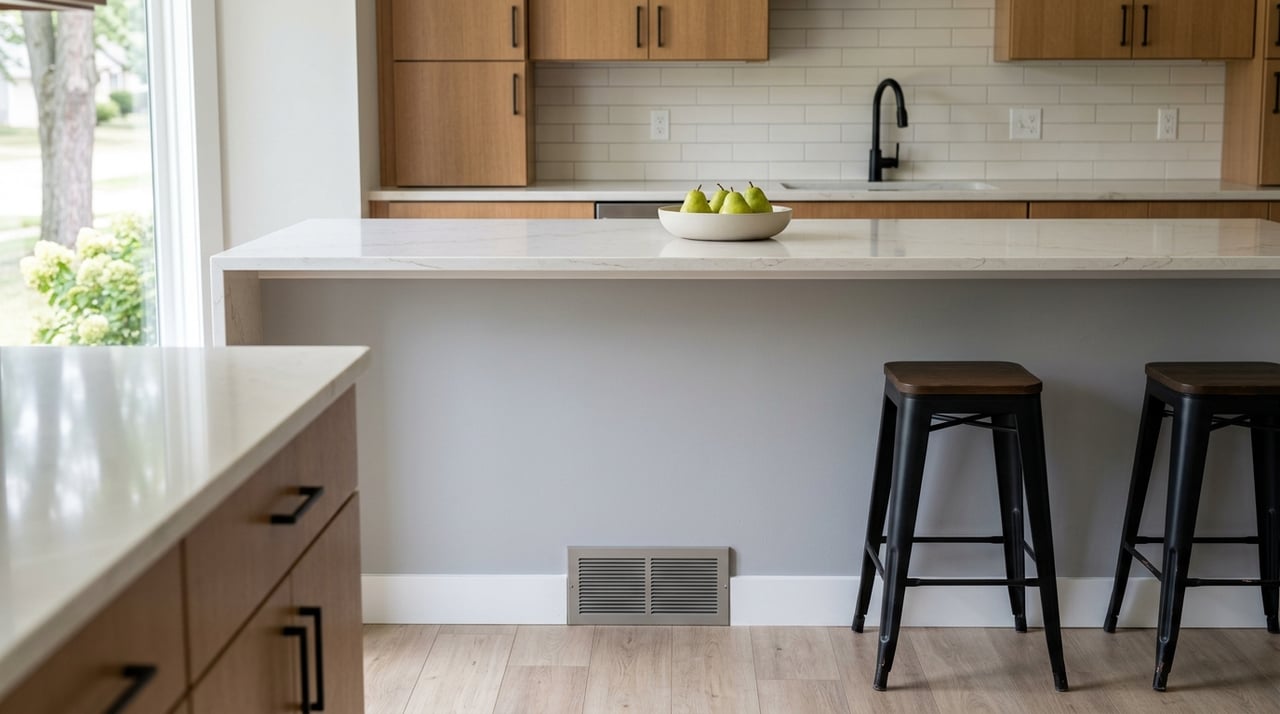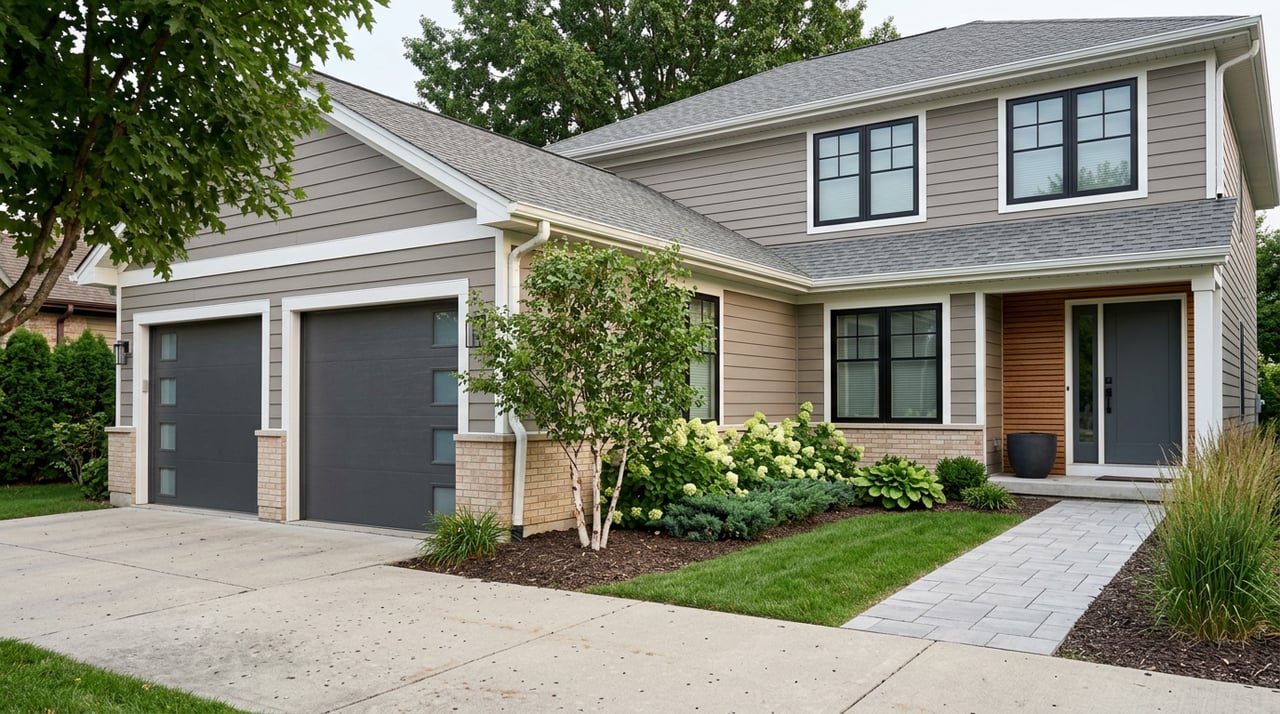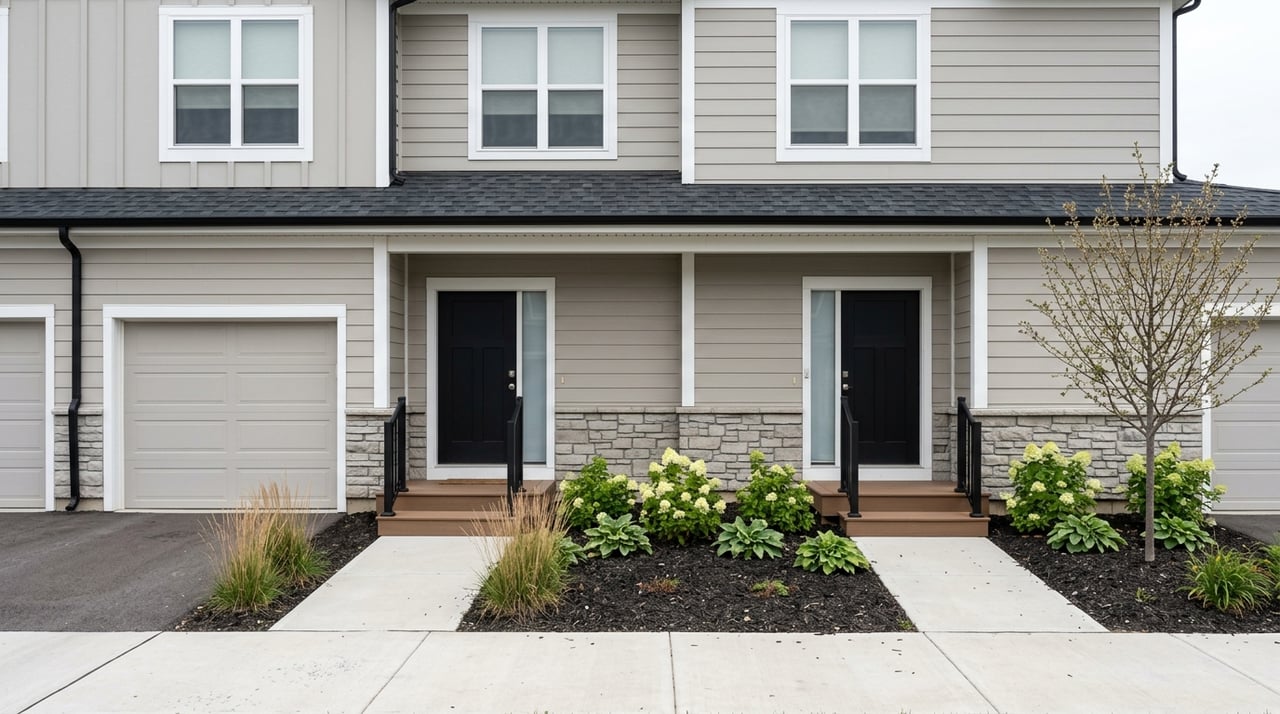
Choosing between a townhome and a single-family home in Eagan is not just about price. It is about how you want to live, how much upkeep you want to handle, and what kind of space fits your next chapter. If you are weighing both options, this guide will help you compare the tradeoffs clearly so you can make a confident decision. Let’s dive in.
Eagan offers real housing variety
If you are house hunting in Eagan, you are not looking in a market made up mostly of detached houses. The city has a broad mix of housing types, and attached homes play a major role in that mix. According to the Metropolitan Council housing-stock estimates, Eagan had 14,119 single-family detached homes and 5,390 townhomes out of 29,881 total housing units in 2024.
That means about 47.3% of Eagan housing is detached and 18.0% is townhome. Townhomes are not a niche option here. They are a meaningful part of the local ownership market, which is why many buyers seriously compare them against single-family homes.
The city also notes in its long-range planning materials that Eagan has a diverse housing stock of more than 30,000 units, with more than half made up of attached townhomes or multifamily-style housing. Those same 2050 plan update materials say much of the housing was built from the late 1970s through early 1990s, which helps explain why buyers often compare established attached homes with newer redevelopment options.
What Eagan buyers often see
In real life, the difference between a townhome and a single-family home in Eagan often starts with size, layout, and lot space. Townhomes can vary a lot. One recent Eagan example on Zillow shows a compact 1-bedroom, 1-bath home with 700 square feet built in 1990, while newer townhome options in the market have offered 3 bedrooms and more than 1,700 square feet.
That range matters because it shows townhomes can serve different kinds of buyers. Some work well as smaller starter homes, while others offer enough room for buyers who want more space without taking on a detached house. Features like garages, patios, balconies, and community-style settings also show up often, though not in every property.
Detached homes in Eagan tend to offer more space and private outdoor area. One recent detached-home example featured 3 bedrooms, 2 baths, 2,177 square feet, a 0.26-acre lot, and a 2-car garage. While every listing is different, local examples generally point to more bedrooms, larger footprints, and more control over the lot with single-family homes.
Townhome benefits for buyers
For many buyers, the biggest draw of a townhome is lower day-to-day exterior responsibility. In many Minnesota common interest communities, the association handles items like snow removal and lawn care. That can make daily life simpler if you do not want to spend weekends on outdoor maintenance.
Townhomes can also offer a more manageable footprint. If you do not need a large yard or a lot of extra square footage, a townhome may help you focus your budget on the space you will actually use. In Eagan, where townhomes are a major part of the housing stock, you can often find options that range from compact to fairly spacious.
Another advantage is predictability. Instead of paying separately for every bit of seasonal outdoor upkeep, you may pay regular dues that cover some shared maintenance. That structure appeals to many first-time buyers, busy professionals, and downsizers who value convenience and routine.
Townhome tradeoffs to consider
The main tradeoff with a townhome is that convenience usually comes with association rules and fees. The Minnesota Attorney General explains that townhome communities are often common interest communities, and those communities can regulate matters such as parking, smoking, pet ownership, and other use restrictions through governing documents. You can read more in the Attorney General’s guide to condos, townhomes, and associations.
Fees matter just as much as rules. Regular assessments typically help cover operations and long-term expenses, but the Attorney General also notes that special assessments may be charged if regular dues are not enough or reserves are underfunded. That is why a lower-maintenance lifestyle is not always the same as a lower total monthly cost.
You also need to understand what the association maintains and what you maintain. Under Minnesota Statutes Chapter 515B, associations are generally responsible for common elements, while unit owners are responsible for their own units. That division can affect repair planning, insurance questions, and how you budget for future ownership costs.
Single-family home benefits for buyers
If you want more room and more control, a single-family home may be the better fit. Detached homes in Eagan often provide more square footage, more bedrooms, and a private lot. That can be helpful if you want extra storage, a larger garage, more room to spread out, or outdoor space for gardening, pets, or future projects.
Single-family homes also usually offer more freedom over exterior decisions. Unless the property is in a neighborhood with its own HOA or separate covenants, you are generally not buying into the same kind of CIC governance structure found in many townhome communities. For buyers who value autonomy, that can be a major plus.
Privacy can also be part of the appeal. With a detached home, you are usually not sharing walls, and you often have more separation between your home and neighboring properties. For some buyers, that extra breathing room is worth the added maintenance responsibility.
Single-family home tradeoffs to consider
More independence usually means more work. When you buy a detached home, you are more likely to handle your own snow removal, lawn care, exterior repairs, and long-term maintenance planning. Instead of paying association dues for shared services, you may need to save and budget for those costs directly.
That can be manageable if you enjoy hands-on upkeep or want full control over how work gets done. But it can also become a bigger commitment than expected, especially in Minnesota where seasonal maintenance is a real part of homeownership. It is smart to think beyond the purchase price and ask yourself how much time and effort you want to put into the property over the next several years.
Compare costs the smart way
A helpful way to compare townhomes and single-family homes in Eagan is to separate purchase price from ongoing ownership cost. A townhome may have a lower or similar purchase price than a detached home, but monthly dues can change the total budget picture. A detached home may avoid association dues, but you will likely absorb more maintenance costs directly.
As you compare properties, ask questions like these:
- What does my monthly payment look like once HOA dues are included?
- What maintenance items are covered by the association?
- How strong are the association reserves, and is there any risk of special assessments?
- If I buy a detached home, how will I budget for repairs, landscaping, and snow removal?
- Do I need a private yard, basement, or larger garage?
- How comfortable am I with rules about pets, parking, rentals, or exterior changes?
Those questions can quickly reveal which option fits your lifestyle and budget more naturally. The better choice is rarely about status. It is usually about whether you would rather manage upkeep yourself or share some of that responsibility through an association.
Review townhome documents carefully
If you are leaning toward a townhome, document review is one of the most important parts of the process. According to the Minnesota Attorney General, sellers in a common interest community must provide documents such as the declaration, bylaws, rules and regulations, the most recent financial statement and budget, and information about judgments or lawsuits involving the association.
The Attorney General also notes that buyers generally have ten days after receiving disclosures to cancel the purchase agreement, unless the disclosures were received more than ten days before signing or that right was waived in writing. That window gives you a chance to look closely at the association’s finances, restrictions, and maintenance obligations before moving forward.
This is where careful guidance matters. A townhome that looks simple on the surface can come with details in the governing documents that affect your monthly costs and daily use of the property.
Which option fits your stage of life?
For many Eagan buyers, townhomes make sense when the goal is simpler living. If you want less exterior maintenance, a smaller footprint, and a more predictable routine, a townhome may be the right match. That is one reason townhomes appeal to first-time buyers, busy professionals, and downsizers in this market.
Single-family homes often make more sense when your priority is space and flexibility. If you want more bedrooms, more storage, more privacy, or a yard you control, a detached home may be worth the extra maintenance. Eagan gives buyers real choices in both categories, which is helpful when your needs are changing.
The key is to match the property type to your daily life, not just to your wish list. A home that looks perfect on paper can feel less practical if the upkeep, rules, or layout do not fit how you live.
If you are deciding between a townhome and a single-family home in Eagan, the best next step is to compare a few real options side by side and talk through the tradeoffs with someone who knows the local market. Julie Doolittle can help you weigh space, maintenance, budget, and neighborhood fit so you can move forward with clarity.
FAQs
What is the main difference between Eagan townhomes and single-family homes for buyers?
- Townhomes in Eagan often offer lower exterior maintenance and association-managed services, while single-family homes usually offer more space, more private outdoor area, and more control over the property.
Are townhomes common in Eagan, Minnesota?
- Yes. According to Metropolitan Council estimates, townhomes make up about 18.0% of Eagan’s housing stock, making them a meaningful part of the local market.
Do Eagan townhomes usually have HOA fees?
- Many do, because townhomes are often part of a common interest community where owners pay regular assessments to help fund operations, maintenance, and reserves.
What should buyers review before purchasing an Eagan townhome?
- Buyers should review the association disclosure package carefully, including rules, bylaws, financial statements, budget details, and any information about lawsuits or judgments involving the association.
Are single-family homes in Eagan usually larger than townhomes?
- Local listing examples suggest that detached homes in Eagan often have more square footage, more bedrooms, and larger lots than townhome options, though each property is unique.
How do I decide between a townhome and a detached home in Eagan?
- Start by comparing your budget, desired space, maintenance preferences, and comfort level with association rules so you can choose the option that fits your lifestyle best.