Wondering when to start getting your Maplewood home ready to sell? If you plan to list within the next year, the best move may be to start sooner than feels necessary. A little lead time can help you make smarter updates, avoid rushed decisions, and prepare your home for the Maplewood market with more confidence. Let’s dive in.
Why early planning matters in Maplewood
Maplewood remains a competitive market, but preparation still matters. According to Redfin’s Maplewood housing market data, the median sale price was $335,000 in February 2026, homes sold in an average of 46 days, and the average sale closed about 1% below list price. Some homes receive multiple offers, and the hottest listings can go pending in about 18 days.
That mix creates an important takeaway for you as a seller. Buyers are active, but they are still comparing condition, pricing, and presentation. If you start planning 6 to 12 months before listing, you give yourself time to focus on the updates that matter most instead of scrambling right before photos and showings.
Build your plan around local comps
One of the biggest mistakes sellers make is relying on broad market headlines. Countywide or national trends can be interesting, but your pricing and prep strategy should be based on nearby sales and current competition in Maplewood.
As Zillow recommends in its home prep guidance, sellers should review nearby sold homes, days on market, sale prices, and the features that may be influencing buyer decisions. That means your home should be measured against recent comps with similar size, condition, and location, plus the homes buyers will see as alternatives when your listing goes live.
Why 6 to 12 months gives you an edge
A longer runway can make the selling process feel much more manageable. Realtor.com’s 2025 survey research found that 53% of sellers take one month or less to get a home ready to list, but it also notes that early agent involvement can improve access to market information and help set realistic pricing and timelines.
If you start 6 to 12 months ahead, you can spread out costs, make selective repairs, and avoid expensive last-minute choices. You also have more time to decide what is truly worth doing before listing and what can be skipped.
Start with decluttering and depersonalizing
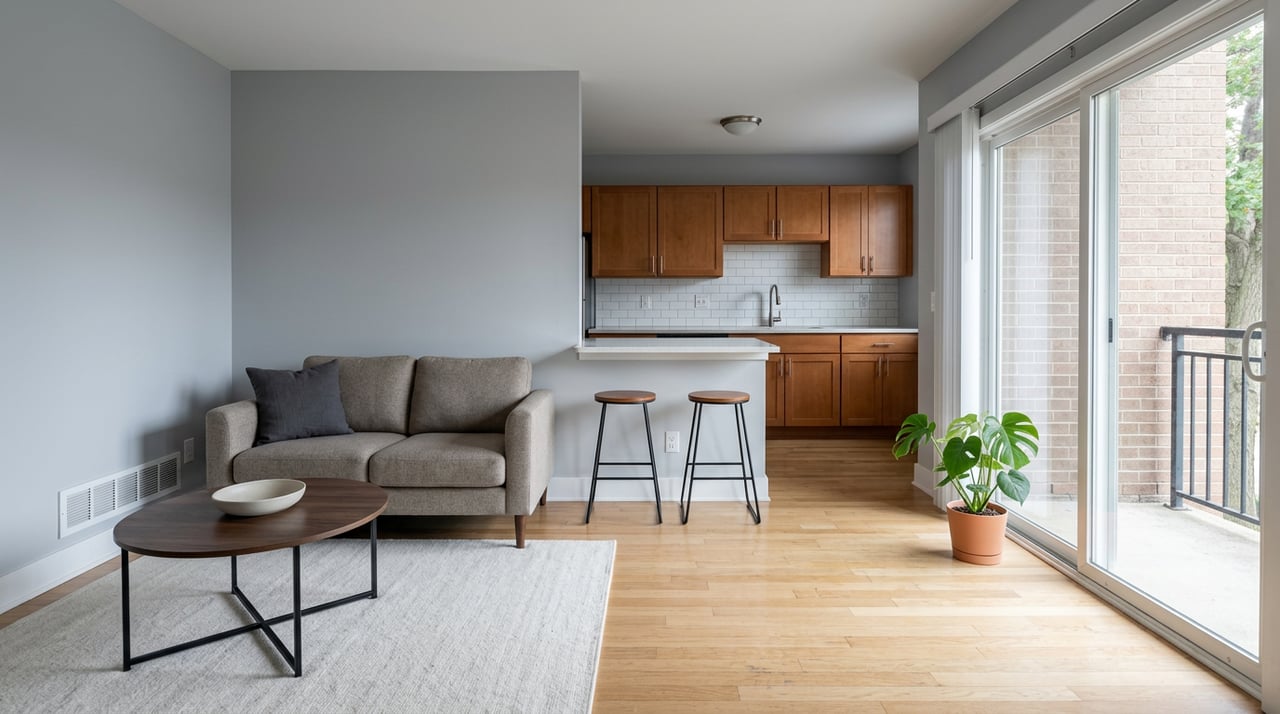
If you only do one thing early, start here. Decluttering helps your home feel larger, cleaner, and easier for buyers to picture as their own.
Focus first on spaces that tend to collect extra belongings:
- Closets
- Storage rooms
- Basements
- Garages
- Crowded bedrooms or flex spaces
Zillow notes that a spotless, clutter-free home photographs better and often feels more spacious. The National Association of Realtors’ 2025 staging profile also found that 83% of buyers’ agents say staging makes it easier for buyers to picture the property as a future home.
You do not need a perfect or fully redesigned house. You just want clean, open, functional spaces that show well in person and online.
Tackle maintenance before buyers notice it
Small issues have a way of becoming bigger during negotiations. A dripping faucet, squeaky door, loose handle, or non-working outlet may seem minor to you, but buyers often read deferred maintenance as a sign there could be larger concerns.
Use the months before listing to build a repair list and knock out obvious items gradually. Zillow suggests fixing leaks, squeaks, and non-functioning outlets, and it notes that a pre-inspection may cost about $400 to $500 and can help reduce surprises after you accept an offer.
This does not mean you need to overhaul everything. It means making your home easier to inspect, easier to show, and easier to negotiate.
Choose updates with resale in mind
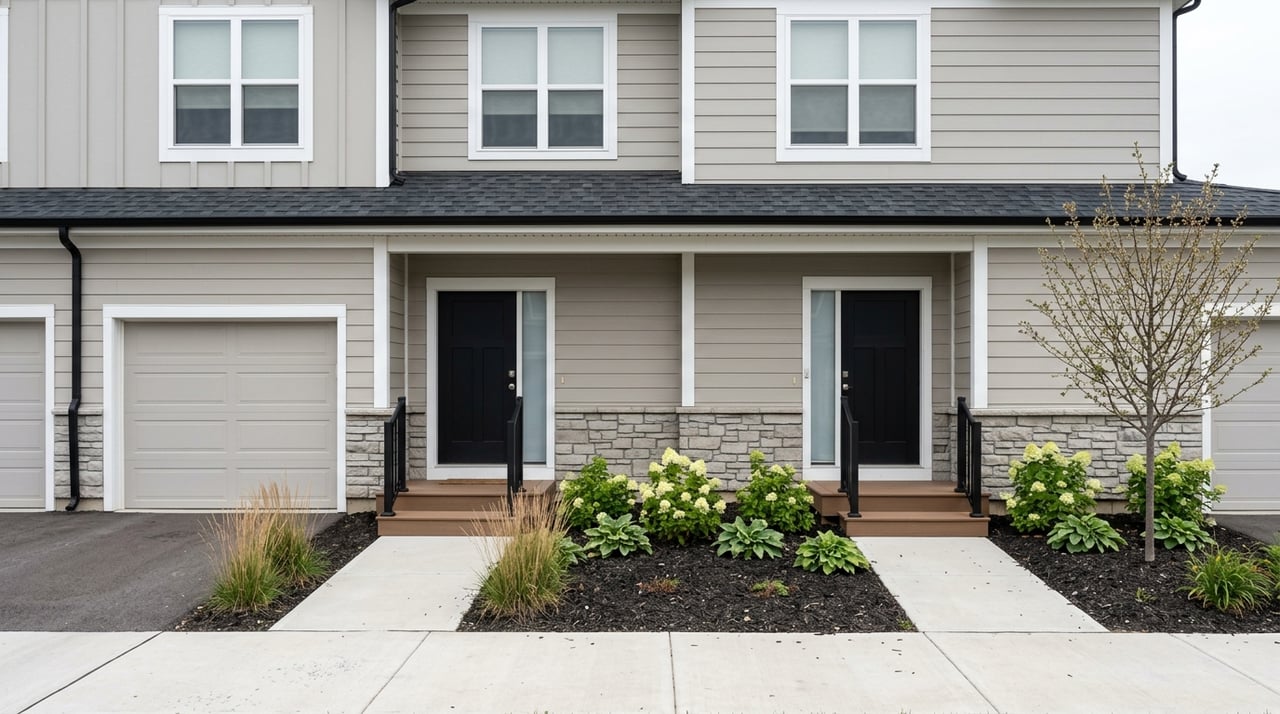
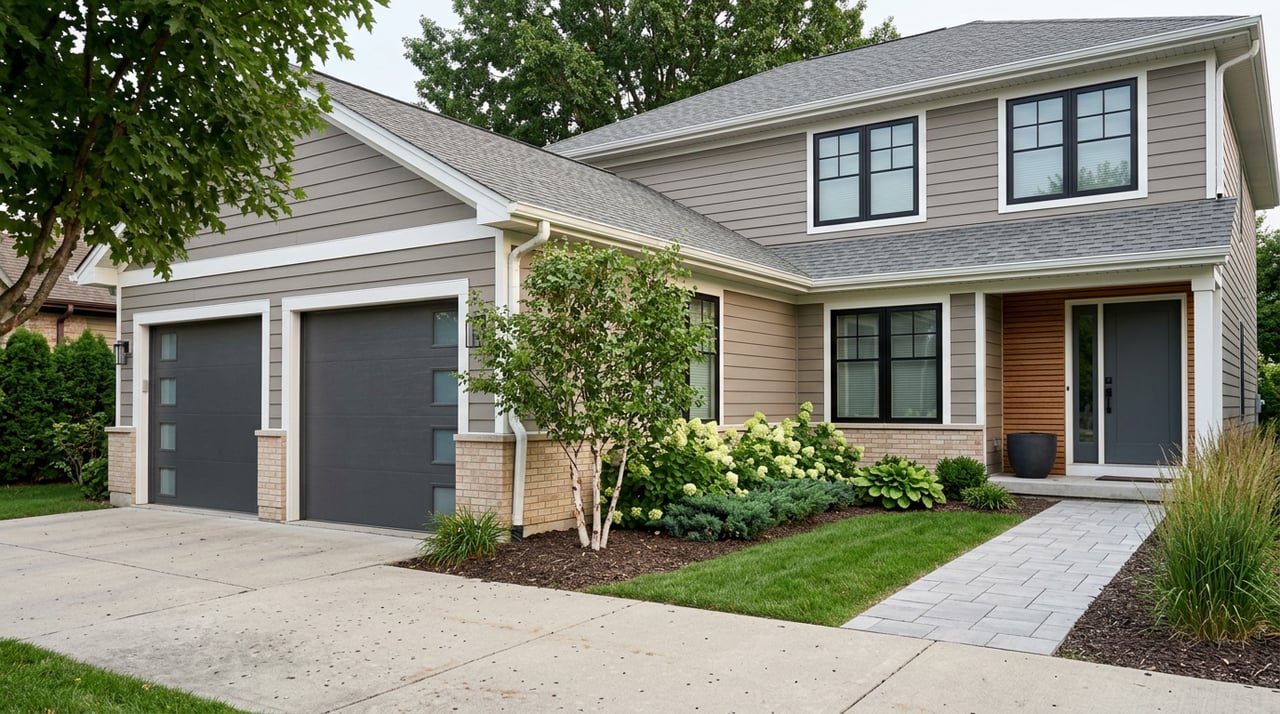
If you are thinking about bigger projects, keep your focus on visibility and resale potential. The data in Zonda’s 2024 Cost vs. Value report points toward exterior improvements as some of the strongest performers nationally.
Here is a quick look at a few reported average returns:
| Project | National average ROI |
|---|---|
| Garage door replacement | 194% |
| Steel entry door replacement | 188% |
| Manufactured stone veneer | 153% |
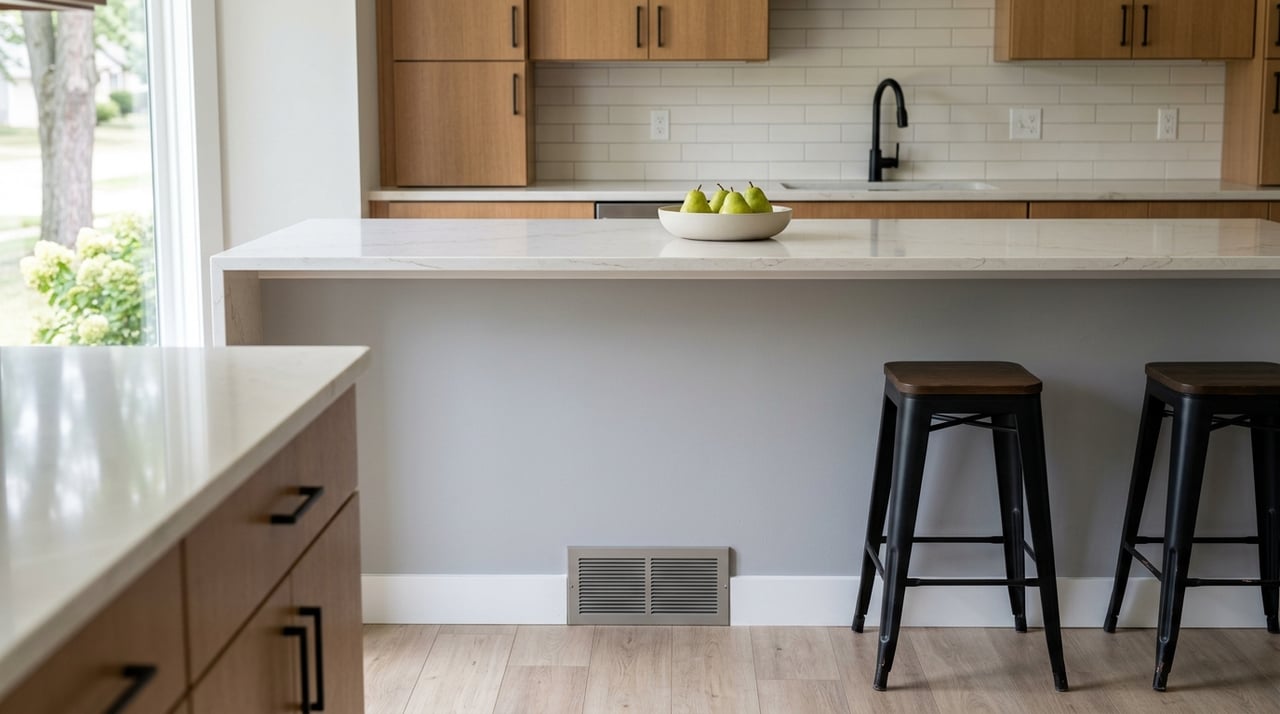
| Minor kitchen remodel | 96% |
| Fiber-cement siding | 88% |
These are national averages, so Maplewood results will vary. Still, the pattern is useful. In many cases, curb appeal and practical updates beat large discretionary remodels when you are preparing to sell.
Prioritize paint and simple curb appeal
You do not need a full renovation to make a strong first impression. Often, the most helpful improvements are the least disruptive.
Zillow reports that 32% of sellers repaint interiors before listing, and it recommends neutral tones in high-traffic rooms. It also points to modest entry updates like fresh front-door paint, updated hardware, and lighting.
If you are deciding where to spend money, consider this order:
- Fix maintenance issues
- Declutter and simplify
- Refresh paint where needed
- Improve curb appeal
- Consider larger projects only if local comps or inspection concerns support them
For many Maplewood sellers, that approach is more cost-effective than diving into a major remodel.
Plan staging and photos in the final weeks
Once your repairs and updates are complete, your attention should shift to presentation. This is the stage where your home should look consistent across photos, showings, and open house visits.
According to Zillow’s selling prep timeline, professional photos are best scheduled 2 to 4 weeks before listing, with final touches added 1 to 2 weeks before going live. The NAR staging profile also notes that virtual staging can be a practical option when physical staging is not feasible.
The most commonly staged rooms are:
- Living room
- Primary bedroom
- Dining room
Those are smart places to focus because they often shape a buyer’s first impression.
Talk timing early, not just in spring
Many sellers assume they should automatically list in spring. Sometimes that works well, but the best timing is not universal.
Realtor.com’s 2026 national report says the best week to sell nationally is April 12 to 18, while Zillow’s 2026 metro analysis says Minneapolis tends to peak in late May. For a Maplewood homeowner, that means your ideal launch date should depend on your home’s condition, nearby inventory, and likely days on market, not just a generic seasonal rule.
If your home needs work, listing a little later may be the better strategy. If your home is move-in ready and local competition is limited, an earlier launch might make sense. The key is to match timing to your property and the current Maplewood market.
Have pricing conversations before you need them
The earlier you talk through pricing, the more options you usually have. A thoughtful pricing conversation should include a comparative market analysis, a realistic price range, and a review of active competition.
Zillow advises sellers to study recent sold homes and active listings in the immediate area. Realtor.com found that 37.1% of homeowners working with an agent said the agent helped them set realistic pricing and timelines.
That matters because over-improving or overpricing can work against you. In a market like Maplewood, the goal is usually not to spend the most. It is to make informed choices that support strong presentation, competitive positioning, and a smoother sale.
A simple Maplewood prep strategy
If you are preparing to list your Maplewood home in the next year, keep your plan simple and practical. Most sellers do not need a full remodel.
A smart prep strategy usually looks like this:
- Review local Maplewood comps
- Start decluttering early
- Handle visible maintenance issues
- Make selective, high-impact cosmetic updates
- Plan staging and photos carefully
- Choose your listing date based on local conditions
- Set pricing with nearby sold and active listings in mind
If you want help building a timeline that fits your home and your goals, Julie Doolittle offers a personalized, neighborhood-focused approach with clear guidance every step of the way.
FAQs
When should you start preparing a Maplewood home to sell?
- A good timeline is 6 to 12 months before listing, because it gives you time to declutter, make repairs, spread out costs, and plan pricing and timing more carefully.
What home updates matter most before listing in Maplewood?
- The research suggests starting with maintenance repairs, decluttering, staging, paint, and curb appeal, while larger remodels should usually depend on local comps or inspection concerns.
How competitive is the Maplewood housing market for sellers?
- Redfin’s February 2026 Maplewood data shows a competitive market with a $335,000 median sale price, 46 average days on market, and some homes receiving multiple offers.
Should you get a pre-inspection before listing a Maplewood home?
- It can be helpful because Zillow notes that a pre-inspection, which may cost about $400 to $500, can reduce surprises and negotiations after an offer is accepted.
When is the best time to list a home in Maplewood?
- The best timing depends on your home’s condition, local inventory, and nearby market activity, rather than following a one-size-fits-all spring schedule.